Attended · Amsterdam
JSNation 2026.
The leading web development conference of 2026.
- Date
- Jun 11, 2026
- City
- Amsterdam
- Official site
- jsnation.com
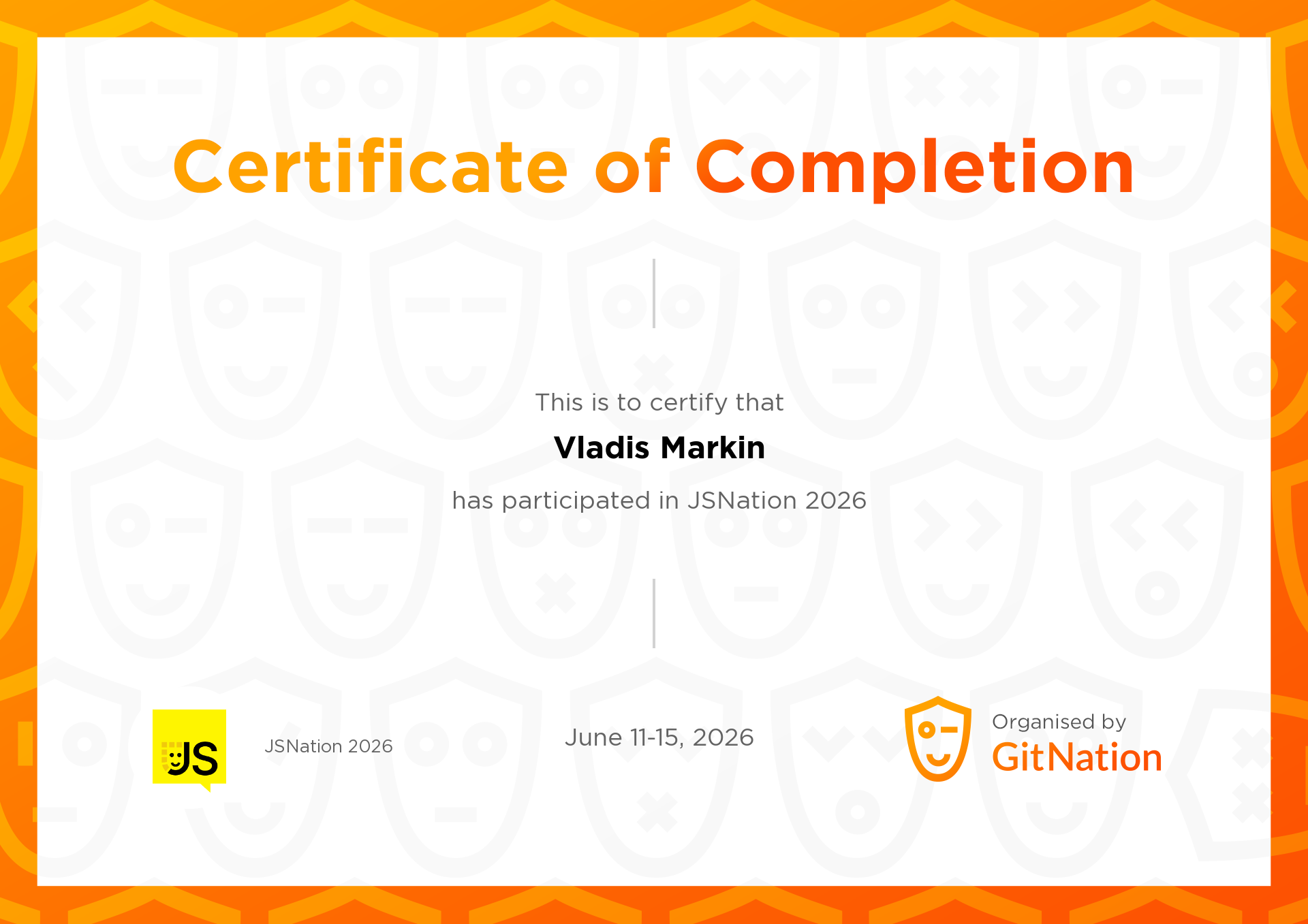
01 — Badge & Certificate
My badge and certificate.


02 — Sessions
Talks I attended.
Full schedule on jsnation.com.
- 10:15
MCP Apps — the Next Web — Liad Yosef
- 10:30
The State of AI for Web Development — Sacha Greif
- 10:50
Designing a Migration to Micro-Frontends — Luca Mezzalira
- 11:15
Are We Moving Beyond Code — or Just Writing It Differently?
Track A · 11:15 – 12:00
- 11:50
Creating a Design System for 1B+ Users in the Age of AI — Noah Yamamoto
Track A
- 13:00
Autonomous AI Agents in Action With the Ralph Wiggum Method — Eddy Vinck
- 15:05
Dead Code Shouldn't Exist: How We Removed 28k Lines of Code, One Knip at a Time — Dominik Dorfmeister
- 15:30
How We Used AI to Build TanStack AI — Alem Tuzlak
- 17:40
Agentic Interfaces: Tools, Skills, Generative UI and Web MCP — Wes Bos
Closing keynote
03 — Photos
JSNation, in pictures.
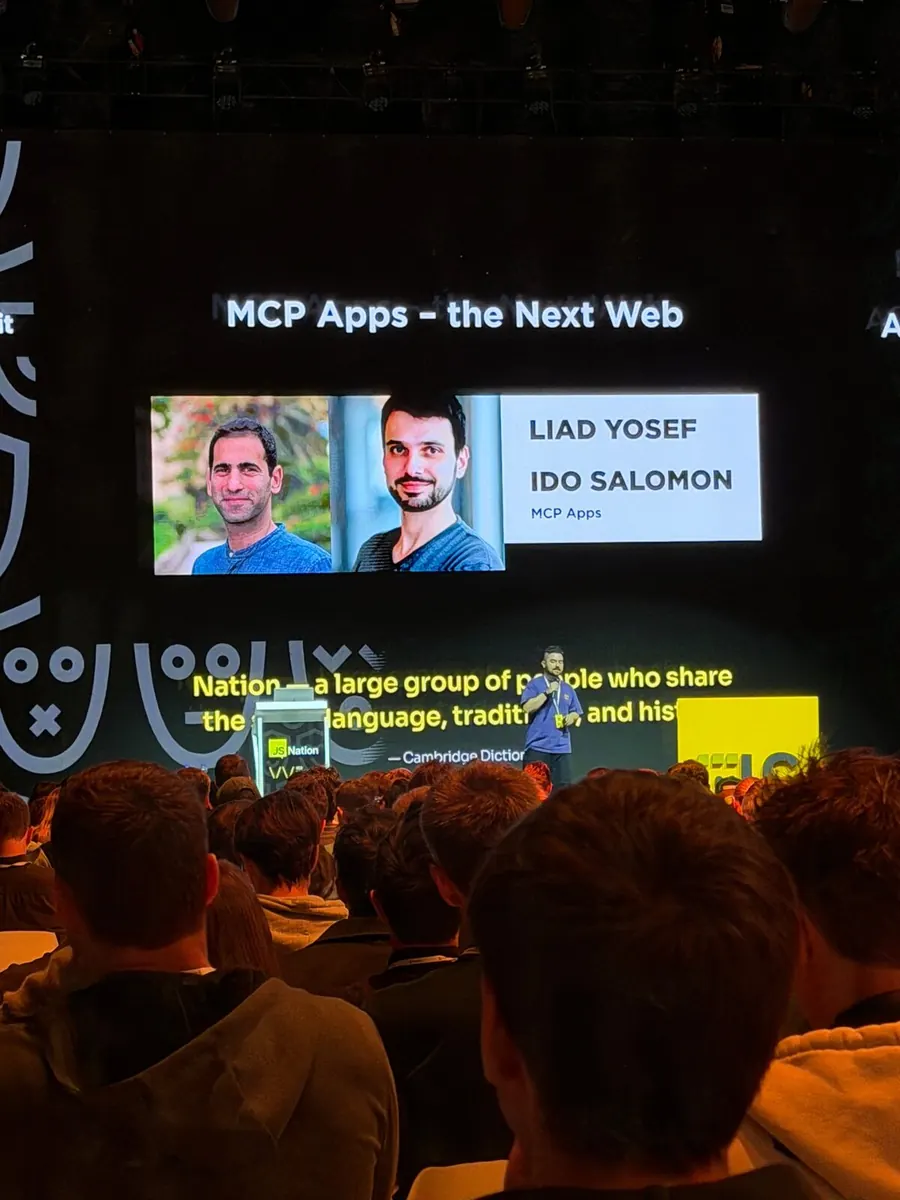
MCP Apps — Liad Yosef & Ido Salomon
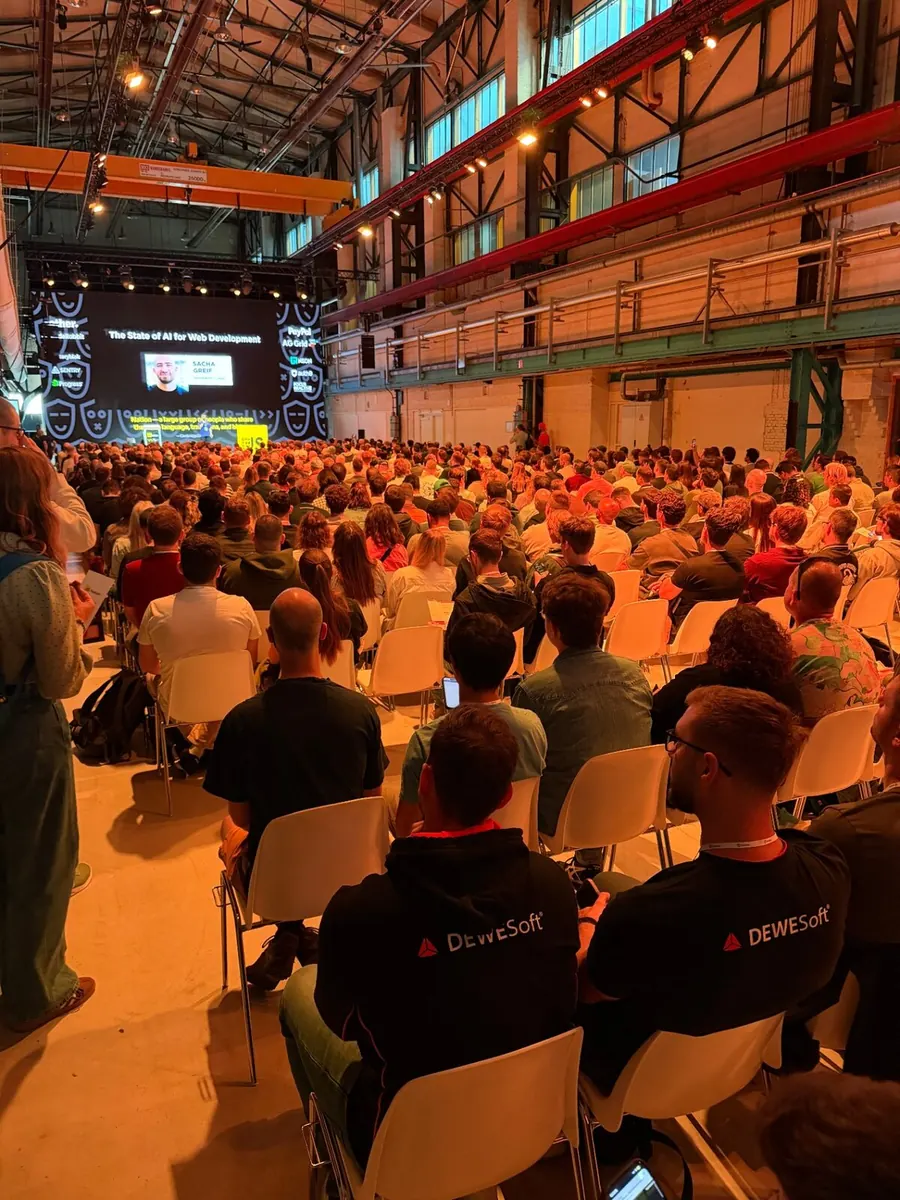
Main hall · Sacha Greif keynote
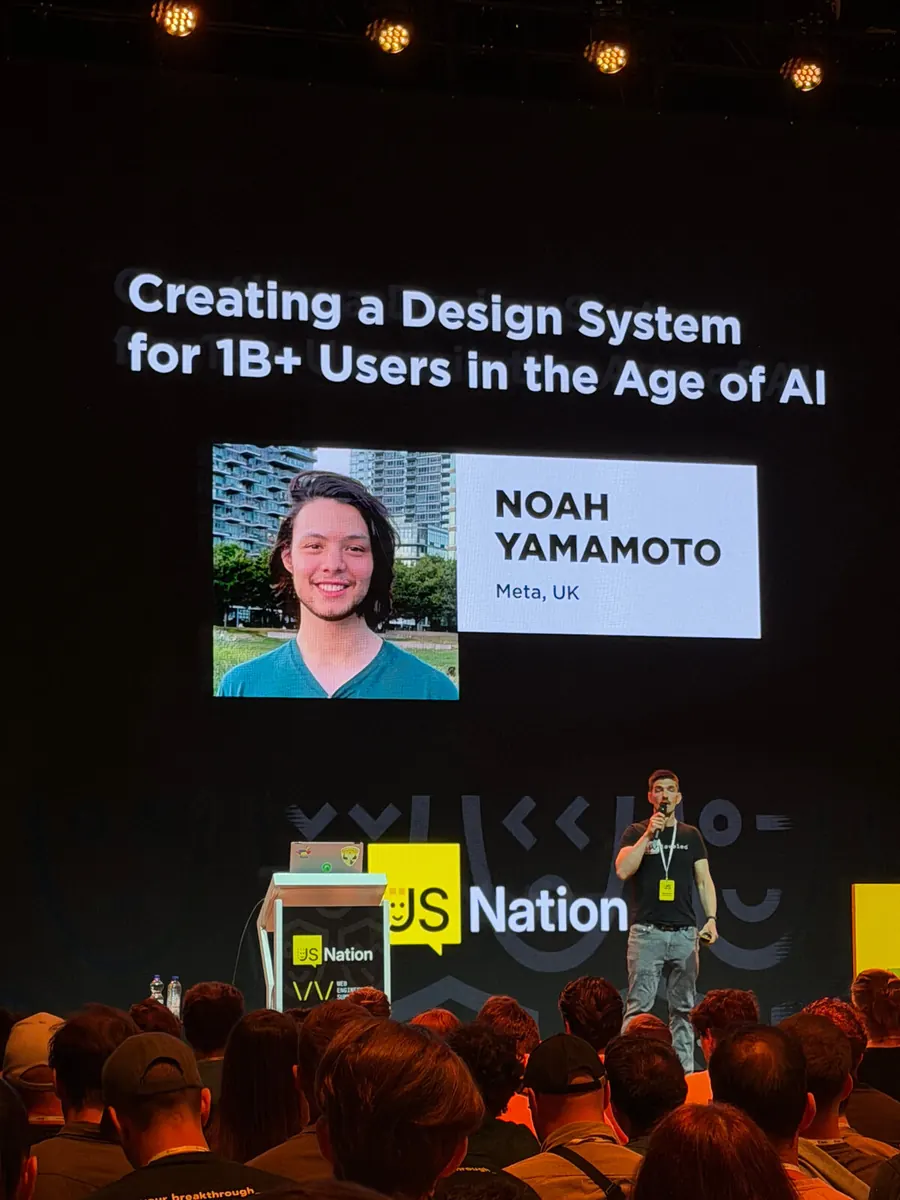
Design System for 1B+ — Noah Yamamoto
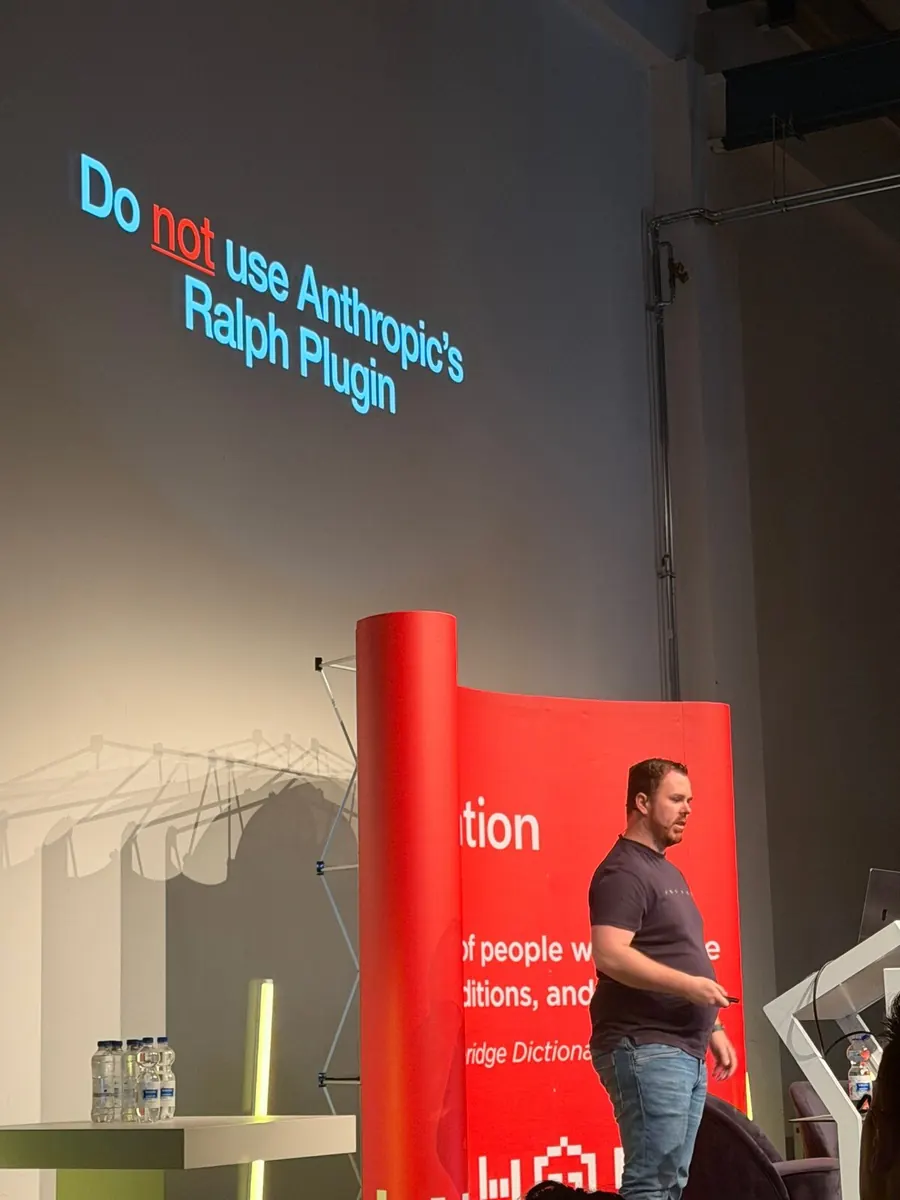
Ralph Wiggum Method — Eddy Vinck
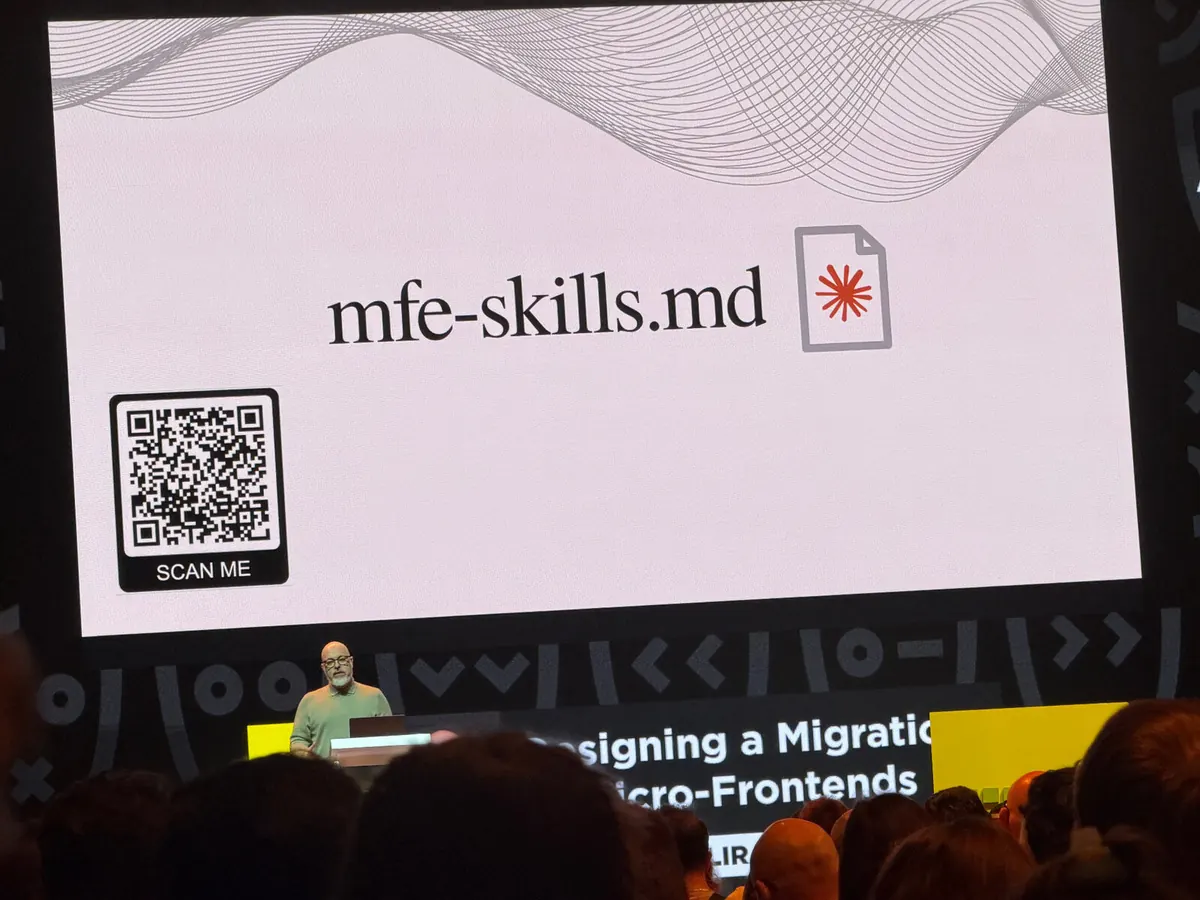
Micro-Frontends — Luca Mezzalira
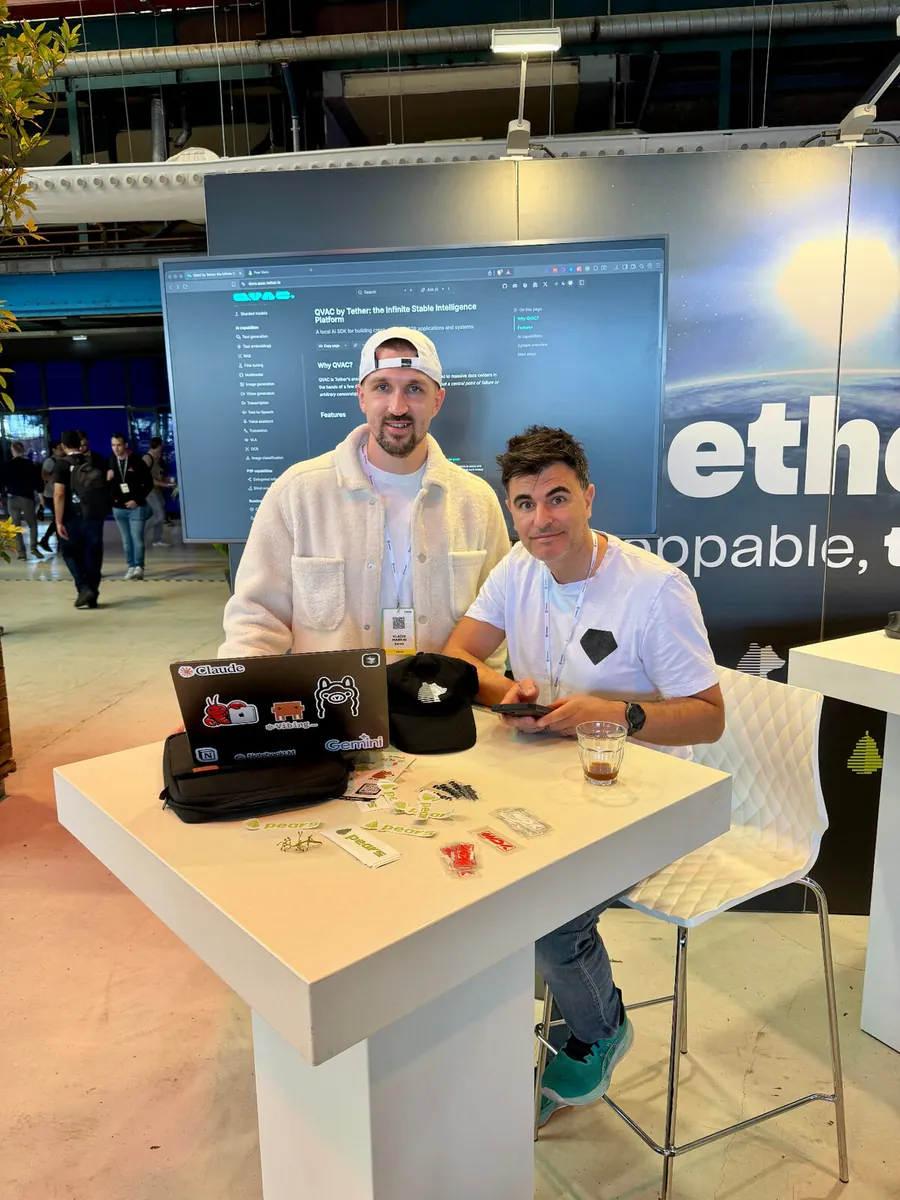
At the Tether QVAC booth
04 — Before the trip
From ticket to badge.
How to go from a GitNation ticket to a printed badge on day one.
01
Buy the conference ticket
Tickets are sold per event on reactsummit.com and jsnation.com. The invoice and ticket PDF arrive by email from the GitNation team.
02
Create a GitNation profile
Sign up on gitnation.com with the same email used for the purchase. The profile becomes the public identity used across every GitNation event.
03
Link the ticket and generate the badge
Associate the ticket with the profile. Each event generates a public attendee badge — a shareable URL that doubles as the on-site QR pass.
04
Read the attendee guide
GitNation publishes a single attendee guide covering venue, schedule, meetups, after-parties, workshops, and badge pickup hours.
05 — Takeaways
What I brought back.
The Interface Shift
Content consumption is moving from traditional websites to agentic, chat-based interfaces. Sessions on Model Context Protocol (MCP) outlined a near-headless web where autonomous assistants orchestrate tasks directly, reducing browsers to edge-case fallbacks.
Vibe Engineering Over Syntax
The creator workflow is evolving. The focus has shifted from writing code to orchestrating environments, reasoning about architecture, and managing agent execution loops.
Spec-Driven Development
The standard prompt-and-check loop wastes time and tokens. High-quality LLM generation depends on front-loading context—using detailed specs, clear rules, and structured instructions rather than vague, iterative prompts.
Agent-Native Tooling
IDEs are adapting to the agentic workflow. Companies like Zed are building editors that natively balance AI-driven development speed with strict performance and code quality standards.
More conferences